REGULATORY
Pipeline Rules Enter the Data-Driven Era
New PHMSA rule swaps rigid repair timelines for risk-based engineering, projecting $390M in yearly operator savings
16 Jul 2026
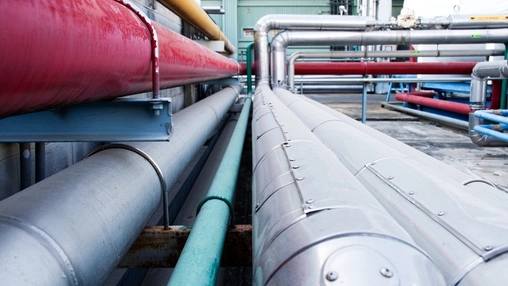
Federal pipeline regulators are preparing to scrap a repair rulebook that has barely changed in 20 years. A proposal released by the Pipeline and Hazardous Materials Safety Administration on July 8 would replace rigid repair deadlines with a system built around engineering data and real-world risk.
The shift reflects how dramatically pipeline monitoring has evolved. Advanced inline inspection tools, predictive models, and failure-pressure analysis now give operators a far clearer picture of what is happening beneath the ground. Instead of treating every anomaly the same, the proposal would divide defects into immediate, near-term, and lower-priority categories.
PHMSA Administrator Paul Roberti said operators understand their systems better than ever thanks to improved inspection technology and data. The agency argues that regulations should finally reflect those capabilities rather than remain tied to standards written for an earlier era.
The financial impact could be substantial. PHMSA estimates annual savings of $214.6 million to $241.7 million for gas transmission operators. Hazardous liquid and carbon dioxide pipeline operators could save another $148.5 million, bringing total industry relief to roughly $390 million a year.
Supporters say the benefits go beyond balance sheets. Fewer unnecessary excavations would mean less disruption for nearby communities and infrastructure. Maintenance crews could also spend more time addressing defects that genuinely threaten pipeline integrity.
Meanwhile, the proposal arrives as energy producers face growing pressure to expand and modernize infrastructure. For many operators, a more flexible framework could free up capital for new investments while sharpening safety efforts where they matter most.
Industry groups, engineers, and safety advocates have until September 8 to submit comments. If adopted, the rule could mark a turning point, closing the gap between modern pipeline technology and the regulations meant to govern it.
Related News


topics on the agenda
BUILDING THE ONE: EMPOWERING PIPELINE INTEGRITY AND COMPLIANCE WITH GEOSPATIAL DATA
Day 1: WEDNESDAY, SEPTEMBER 9, 2026
09:40 - 10:05
PANEL DISCUSSION ON THE TRANSFORMATIVE ROLE OF DIGITALIZATION AND AUTOMATION IN THE PIPELINE INDUSTRY
Day 1: WEDNESDAY, SEPTEMBER 9, 2026
11:00 - 11:30
LARGE AREA GUIDED WAVE MONITORING FOR REAL-TIME PIPELINE INTEGRITY MANAGEMENT
Day 1: WEDNESDAY, SEPTEMBER 9, 2026
11:30 - 11:55
SUBSCRIBE FOR UPDATES
By submitting, you agree to receive email communications from the event organizers, including upcoming promotions and discounted tickets, news, and access to related events.