MARKET TRENDS
Pipeline Profits Head for $384B by 2032
Global midstream market hits $247.62B in 2026, aiming for $384.17B by 2032 as fee-based deals reshape pipelines
9 Jul 2026
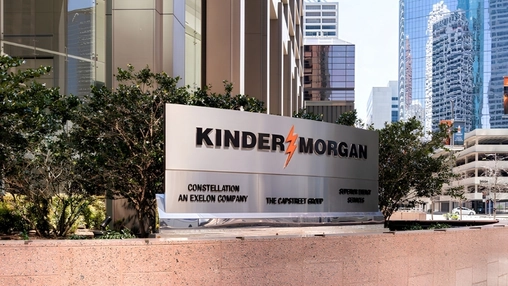
Global investment in oil and gas midstream infrastructure, the pipelines, storage terminals and processing facilities that move fuel from wellhead to market, is projected to nearly double over the next six years.
Analysts estimate the sector was worth $247.62 billion in 2026 and forecast it will reach $384.17 billion by 2032, a compound annual growth rate of 7.54 percent. Fee-based contract structures, which insulate operators from swings in commodity prices, are drawing institutional investors seeking steadier, utility-like returns. Pipeline operators alone now account for 54.85 percent of pipeline market revenue, according to industry estimates.
Consolidation has accelerated the shift. ONEOK's $18.8 billion acquisition of Magellan Midstream, described by analysts at Mordor Intelligence as a defining transaction, combined crude oil, natural gas liquids and refined-product networks into a single integrated platform. Merging these corridors lets operators capture more of the value in each barrel moved, while reducing their exposure to disruptions on any one route. Enterprise Products and Kinder Morgan are pursuing similar strategies, betting that growing energy exports and shifting domestic consumption will strain existing capacity.
New expansion projects, particularly in natural gas liquids and refined products, are being financed through long-term contracts that lock in revenue for years. That predictability matters to investors wary of commodity cycles. Yet some analysts caution that consolidation could concentrate risk: a handful of companies now control an outsized share of the logistics network that carries the country's fuel supply. Others note that expanded infrastructure could ease bottlenecks for industries dependent on chemical feedstocks and fuel distribution, potentially lowering transport costs.
Still, the broader trend suggests midstream energy is being repriced as an asset class. What was once viewed as commodity-sensitive infrastructure increasingly resembles a utility, prized for its predictable cash flows rather than its exposure to oil and gas markets. Growing export volumes and disciplined capital spending are drawing a wider pool of investors into pipelines and storage. The results could shape how capital flows through the energy sector in the years ahead.
Related News


topics on the agenda
BUILDING THE ONE: EMPOWERING PIPELINE INTEGRITY AND COMPLIANCE WITH GEOSPATIAL DATA
Day 1: WEDNESDAY, SEPTEMBER 9, 2026
09:40 - 10:05
PANEL DISCUSSION ON THE TRANSFORMATIVE ROLE OF DIGITALIZATION AND AUTOMATION IN THE PIPELINE INDUSTRY
Day 1: WEDNESDAY, SEPTEMBER 9, 2026
11:00 - 11:30
LARGE AREA GUIDED WAVE MONITORING FOR REAL-TIME PIPELINE INTEGRITY MANAGEMENT
Day 1: WEDNESDAY, SEPTEMBER 9, 2026
11:30 - 11:55
SUBSCRIBE FOR UPDATES
By submitting, you agree to receive email communications from the event organizers, including upcoming promotions and discounted tickets, news, and access to related events.