Highlights Of The Program
2 days business program:
Learn from real-world case studies by industry leaders.
SHOWCASING INNOVATION:
Discover the latest technology and techniques from across the industry.
leaders talk:
Hear from top-level experts about how to stay ahead in a fast-changing industry.
MULTIPLE STREAMS:
A business program that is multi-disciplinary, giving you a broad view of the industry.
SMART TECHNOLOGIES:
Explore the latest smart and AI-driven solutions, and see how they can be used in your business.
roundtable discussion:
Join talks with industry peers. Share ideas, make connections, and find new partners.
Program 2026
DAY 1 :
WEDNESDAY, SEPTEMBER 9, 2026
08:30 - 09:30
REGISTRATION AND MORNING REFRESHMENTS
09:30 - 09:40
OPENING ADDRESS
09:40 - 10:05
BUILDING THE ONE: EMPOWERING PIPELINE INTEGRITY AND COMPLIANCE WITH GEOSPATIAL DATA


Lee Davis
WhiteWater Midstream
- Unifying lifecycle data across design, as-built, and operations into a single geospatial system to improve accuracy and traceability
- Strengthening field operations through real-time data capture, geofencing, aerial monitoring, and continuous system updates
- Providing centralized visualization tools to access integrity data, support spatial analysis, and prioritize risks across assets
- Enabling consistent, traceable compliance reporting through automated generation of regulatory-ready reports and dashboards
10:05 - 10:10
Q&A SESSION ON HOW TO TRANSFORM DISCONNECTED DATA INTO RELIABLE DECISION-MAKING FRAMEWORKS
10:10 - 10:40
SPEED NETWORKING SESSION
- Exchange business cards and get connected in short one-to-one meetings
- Start the conversation to arrange a more formal meeting later in the conference
- Share your professional background and discuss your biggest business issues – don't forget your business cards!
10:40 - 11:00
MORNING COFFEE BREAK IN THE EXHIBIT AREA
SPONSORED BY RAEDLINGER PRIMUS LINE USA INC.
11:00 - 11:30
PANEL DISCUSSION ON THE TRANSFORMATIVE ROLE OF DIGITALIZATION AND AUTOMATION IN THE PIPELINE INDUSTRY


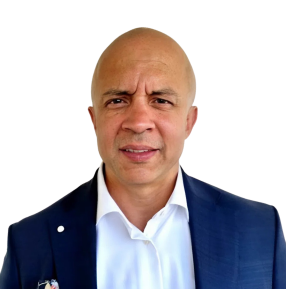

- Ensuring automation strengthens human decision-making and judgment in pipeline operations, rather than replacing it entirely
- Debating whether technology or gaining acceptance from regulators and industry standards is the bigger barrier to AI adoption
- Filtering decision fatigue from rapid technology change to isolate the vital few data points that drive critical decisions
Doyle Sanders | Independent Consultant | Moderator
Wesleyne Whittaker | Transformed Sales
Axel Aulin | TC Energy
Lee Davis | WhiteWater Midstream
11:30 - 11:55
LARGE AREA GUIDED WAVE MONITORING FOR REAL-TIME PIPELINE INTEGRITY MANAGEMENT


Rhett O’Briant
Griffin Integrity Solutions LLC
- Distinguishing single-point inspection from large-area guided wave automated monitoring and what each approach delivers
- Presenting the use case for permanently installed monitoring sensors delivering continuous wall thickness data
- Tracking circumferential wall thickness loss in real time across multiple points to determine corrosion and erosion rates
- Uploading and storing monitoring data on secure cloud servers to enable real-time analysis and future big-data capabilities
11:55 - 12:00
Q&A SESSION ON CONTINUOUS GUIDED WAVE MONITORING TO PROTECT PIPELINE INTEGRITY
12:00 - 12:25
MAGNETOMETRY: AN EMERGING TECHNOLOGY FOR NON-INTRUSIVE INSPECTION OF AGING PIPELINE INFRASTRUCTURE


Keng Yap
EMPIT
- Unpacking how magnetometry enables non-intrusive monitoring of pipeline integrity by detecting magnetic anomalies associated with corrosion, stress, and structural changes
- Reviewing the evolution of magnetometry inspection from early passive techniques to modern active approaches that improve detection accuracy and data reliability
- Highlighting key applications, capabilities, and opportunities for using magnetometry to enhance inspection programs for aging pipeline infrastructure
12:25 - 12:30
Q&A SESSION ON ADVANCED INSPECTION TECHNOLOGIES FOR PIPELINE INTEGRITY MONITORING
12:30 - 13:30
NETWORKING LUNCH AND VISITING THE PIPELINE INFRASTRUCTURE EXHIBITION
13:30 - 13:55
KNOW YOUR STAKEHOLDERS: WHY ENGAGEMENT IS MORE IMPORTANT THAN EVER


Lindsay Sander
Sander Resources
- Framing the $50 billion annual investment driven by the surging energy infrastructure demand
- Explaining why landowner, community, and agency approvals are critical to infrastructure investment
- Making the case that proactive engagement is essential when bad news travels at the speed of light
- Arguing that the industry must shift from reactive to proactive stakeholder engagement to stay ahead
13:55 - 14:00
Q&A SESSION ON WINNING STAKEHOLDER TRUST BEFORE CONTROVERSY DERAILS YOUR PROJECT
14:00 - 14:25
SUBSEA PIPELINE REHABILITATION: A 2-MILE OFFSHORE INSTALLATION CASE STUDY


Peter Bandelt
Raedlinger Primus Line USA Inc.
- Introducing Primus Line technology and examining its suitability for continuous subsea pipeline rehabilitation offshore
- Outlining project drivers, offshore constraints, and the qualification process for a continuous subsea rehabilitation
- Detailing the engineering challenges and execution of a continuous 2-mile offshore subsea pipeline liner installation
14:25 - 14:30
Q&A SESSION ON CONTINUOUS SUBSEA PIPELINE REHABILITATION USING LINER TECHNOLOGY
14:30 - 14:55
AI-ENABLED NDT: AUTO-DETECTION, SIZING, AND REPORTING
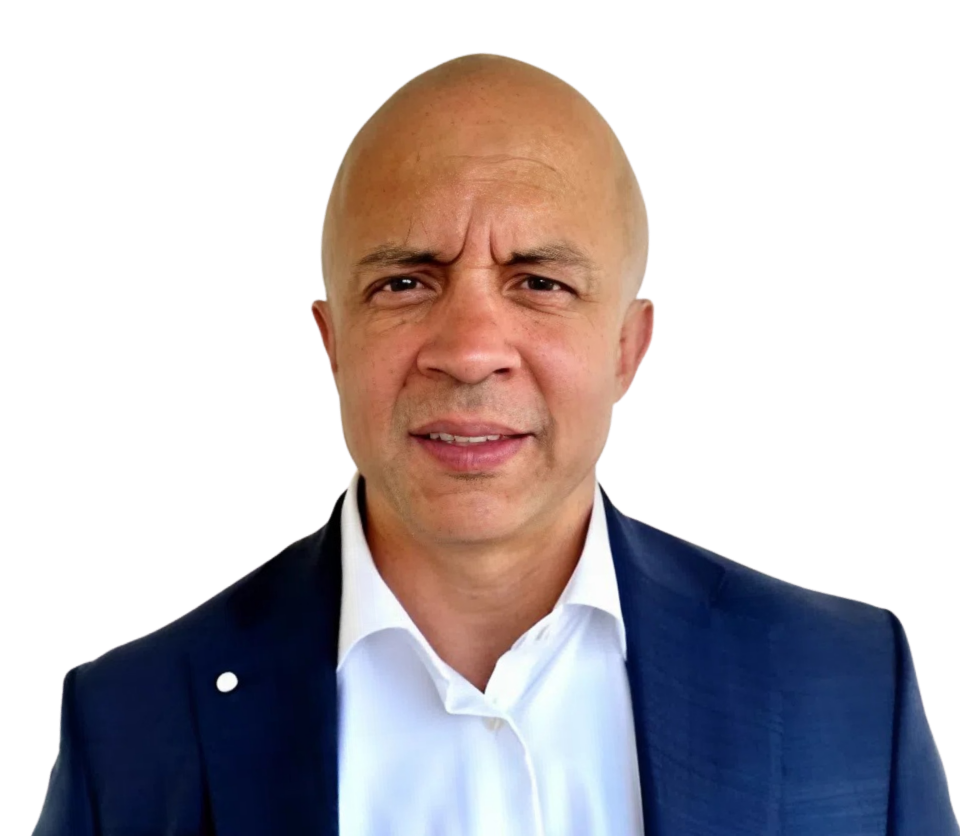

Axel Aulin
TC Energy
- Appraising current AI-assisted defect detection and sizing capabilities alongside their known limitations in the field
- Demonstrating platform variability in sizing outcomes with real field examples illustrating inconsistencies across systems
- Analyzing how sizing uncertainty directly affects Fitness-for-Service decisions and downstream integrity outcomes
14:55 - 15:00
Q&A SESSION ON AI DEFECT DETECTION AND ITS IMPACT ON PIPELINE INTEGRITY DECISIONS
15:00 - 15:30
AFTERNOON COFFEE BREAK IN THE EXHIBIT AREA
15:30 - 15:55
UTILIZING HYDROTEST ADDITIVES TO IMPROVE PIPELINE INTEGRITY AND SPEED UP COMMISSIONING


Derek Dickens
Zerust Integrity Solutions
- Summarizing recent regulatory changes to MAOP verification requirements and the deadlines pipeline operators now face
- Documenting two case studies showing how hydrotest additives reduce iron oxide formation and accelerate pipeline commissioning
- Applying inhibitor technology beyond hydrotesting to preserve pipe sections during construction and lay-up periods
- Addressing the distinct challenges of hydrotesting older pipelines compared to new construction and how to manage them
15:55 - 16:00
Q&A SESSION ON ADDITIVES AND INHIBITORS TO ACCELERATE PIPELINE COMMISSIONING
16:00 - 16:25
INDIGENOUS RISK MODEL FOR MAJOR PIPELINE PROJECTS: REGULATORY FRAMEWORKS AND OVERSIGHT


Richard Aisaican
Line 3 IAMC
- Clarifying how the Line 3 IAMC operates as a quasi-oversight body without full regulatory enforcement power
- Illuminating how UNDRIP and UNDA open pathways for First Nations and Métis to shape and create regulatory bodies
- Showcasing foundational work integrating Indigenous Worldview to safeguard inherent and treaty rights in major projects
- Discussing why Indigenous oversight of pipelines is an exercise in rights protection rather than economic interest
16:25 - 16:30
Q&A SESSION ON BUILDING A RISK MODEL FOR PIPELINE PROJECTS AND LAND RIGHTS
16:30 - 16:55
HEATED PIPELINE INFRASTRUCTURE TO UNLOCK CONSTRAINED CRUDE TRANSPORT IN THE UINTA BASIN


Robert Saucedo
Sage Energy Partners
- Tackling transportation challenges associated with high-pour-point crude and the limitations of conventional pipeline systems
- Establishing the role of heated pipeline infrastructure in reducing reliance on trucking and rail while improving market access
- Quantifying the commercial impact of midstream ownership, including margin capture and long-term demand creation
- Amplifying strategic advantages, including regulatory positioning, contract priority, and investment opportunities in critical infrastructure
16:55 - 17:00
Q&A SESSION ON ECONOMIC TRADE-OFFS BETWEEN PIPELINE INVESTMENT AND ALTERNATIVE TRANSPORT METHODS
17:00 - 18:00
NETWORKING DRINKS RECEPTION
DAY 2 :
THURSDAY, SEPTEMBER 10, 2026
09:00 - 09:30
MORNING REFRESHMENTS
09:30 - 09:40
OPENING ADDRESS
09:40 - 10:05
ADVANCED TRENCHLESS METHODS FOR PIPELINE CROSSINGS AND LANDFALLS


Jasion Stenslie
Herrenknecht AG
- Establishing why trenchless methods are essential for pipeline crossings and landfalls in hydrogen and LNG projects
- Examining HDD as a proven trenchless option and where permeable and unstable ground conditions limit its application
- Presenting pipe jacking, Direct Pipe, and E-Power Pipe as complementary microtunneling options for varying ground conditions
- Illustrating microtunneling and HDD applications through reference projects for pipeline crossings and coastal landfalls
10:05 - 10:10
Q&A SESSION ON TRENCHLESS INSTALLATION OPTIONS FOR HYDROGEN AND LNG PIPELINE PROJECTS
10:10 - 10:35
COLD SPRAY SOLUTIONS FOR PHMSA TYPE-A SLEEVE REPAIRS AND COMPOSITE TECHNIQUES
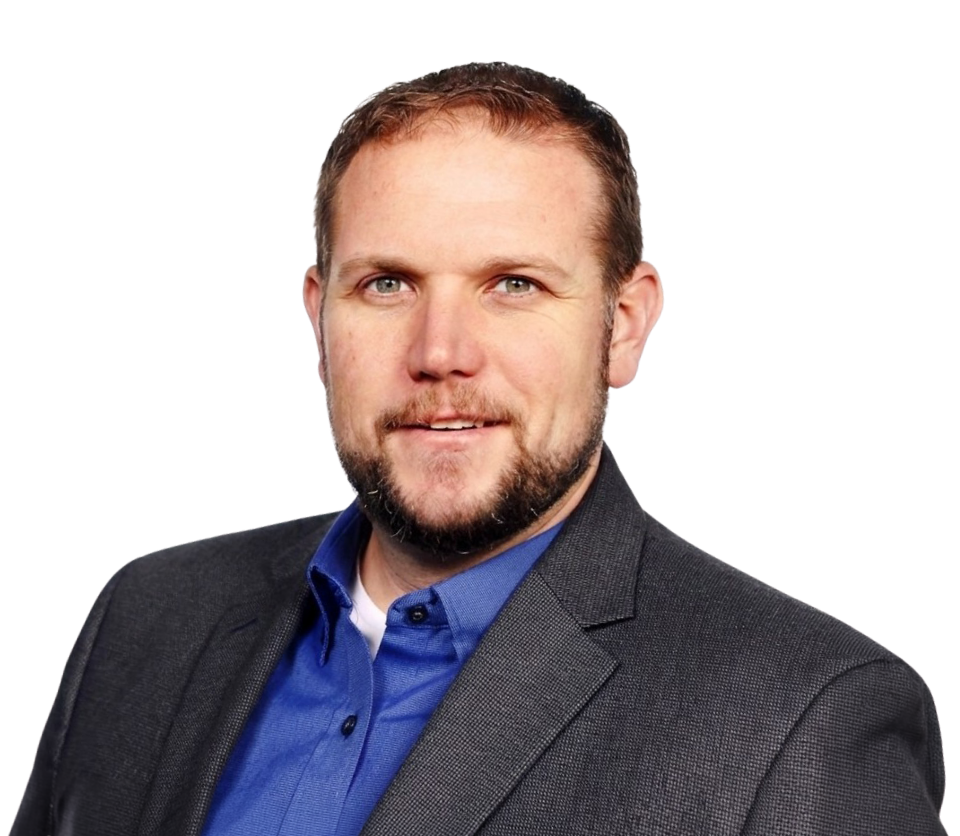

Ron Raphoon
Raphoon
- Scrutinizing PHMSA Advisory Bulletin ADB-2026-0298 and the scrutiny it places on Type-A mechanical sleeve applications and smart pig visibility
- Evidencing how cold spray metal deposits address voids and sealing deficiencies in Type-A sleeves that current methods leave unresolved
- Mapping how cold spray technology improves composite repair techniques across the broader scope of ASME PCC-2 repair methods
10:35 - 10:40
Q&A SESSION ON COLD SPRAY METAL DEPOSITS AS A NEXT-GENERATION PIPELINE REPAIR SOLUTION
10:40 - 11:00
MORNING COFFEE BREAK IN THE EXHIBIT AREA
SPONSORED BY GRIFFIN INTEGRITY SOLUTIONS LLC
11:00 - 11:25
ADVANCED TRANSIENT MODELING AND SUPERVISORY CONTROL FOR GAS PIPELINE INFRASTRUCTURE


Michele Francesconi
Università Degli Studi Firenze
- Contributing a PDE-constrained NLP framework for steady-state and transient gas pipeline modeling covering hydrogen, CO₂, and light hydrocarbon tracking
- Working through how implicit Preissmann discretization schemes enable robust handling of stiff transients with controlled numerical diffusion at pipeline scale
- Explaining how rolling-horizon optimization with MLR and ANN surrogate models enforces gas-quality constraints through threshold-based supervisory control
- Detailing how the framework integrates with SCADA and digital twin environments to support hydrogen blending and real-time linepack-aware pipeline management
11:25 - 11:30
Q&A SESSION ON NLP-BASED TRANSIENT MODELING FOR HYDROGEN BLENDING AND GAS QUALITY CONTROL
11:30 - 11:55
GETTING IT RIGHT THE FIRST TIME


Doyle Sanders
Independent Consultant
- Surveying Texas pipeline trends over the past decade, including state versus FERC design reviews and landowner assurance considerations
- Covering rupture failure probability analysis, route selection criteria, and emergency response preparation for pipeline risk management
- Weighing design verification assurance, project management review, and natural gas versus HVL risk comparisons drawn from 55 years of field experience
11:55 - 12:00
Q&A SESSION ON RISK MANAGEMENT AND DESIGN ASSURANCE FOR SAFER PIPELINE PROJECTS
12:00 - 12:15
FEEDBACK AND RAFFLE DRAW
12:15 - 13:30
NETWORKING LUNCH
Become a Speaker & Join the Conversation
SUBSCRIBE FOR UPDATES
By submitting, you agree to receive email communications from the event organizers, including upcoming promotions and discounted tickets, news, and access to related events.