PARTNERSHIPS
Canada Revives Pacific Oil Ambitions With Pembina
Pembina joins a massive pipeline venture aimed at sending more than one million barrels a day to Asian buyers
14 Jul 2026
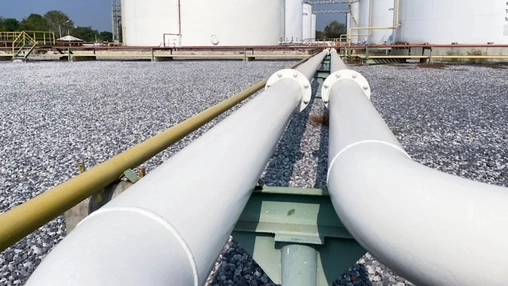
For decades Canada has been one of the world's largest oil producers while remaining heavily dependent on a single customer. Most of its crude still flows south to America. A proposed pipeline to the Pacific coast aims to change that.
On July 2nd Pembina Pipeline joined the West Coast Oil Pipeline project as a private-sector investor alongside Trans Mountain and the governments of Canada and Alberta, which hold equal stakes. Estimated to cost between C$35.2bn and C$43.7bn, the project would rank among the largest infrastructure ventures in the country's history.
Its central promise is straightforward: the ability to ship more than 1m barrels of oil a day to Asian buyers. That could reduce Canada's reliance on American export routes and expose producers to markets that often pay higher prices for crude.
The politics are almost as important as the engineering. Alberta has long argued that insufficient export capacity leaves Canadian oil selling at a discount. Danielle Smith, Alberta's premier, framed the project in fiscal terms. "The profits from this pipeline will generate billions in revenues over the coming decades for the provincial and federal governments, and will enrich Indigenous communities that choose to partner with us," she said.
Indigenous participation has become a defining feature of large Canadian energy projects. Support from First Nations can broaden political backing and reduce some of the legal risks that have delayed earlier pipelines. Yet such projects rarely proceed smoothly. Environmental opposition, regulatory hurdles and the sheer scale of construction all remain potential obstacles.
Even so, Pembina's entry suggests that private capital sees the scheme as more than a political aspiration. The implications extend beyond oil producers. Engineering firms, equipment suppliers and construction contractors could all benefit from years of investment.
The project also reflects a wider shift in Canadian energy policy. Faced with an uncertain American market and rising Asian demand, Ottawa and Alberta increasingly share an interest in diversifying export routes. Whether the pipeline ultimately achieves that ambition will depend less on grand promises than on its ability to navigate Canada's complex politics of energy and land.
Related News


topics on the agenda
BUILDING THE ONE: EMPOWERING PIPELINE INTEGRITY AND COMPLIANCE WITH GEOSPATIAL DATA
Day 1: WEDNESDAY, SEPTEMBER 9, 2026
09:40 - 10:05
PANEL DISCUSSION ON THE TRANSFORMATIVE ROLE OF DIGITALIZATION AND AUTOMATION IN THE PIPELINE INDUSTRY
Day 1: WEDNESDAY, SEPTEMBER 9, 2026
11:00 - 11:30
LARGE AREA GUIDED WAVE MONITORING FOR REAL-TIME PIPELINE INTEGRITY MANAGEMENT
Day 1: WEDNESDAY, SEPTEMBER 9, 2026
11:30 - 11:55
SUBSCRIBE FOR UPDATES
By submitting, you agree to receive email communications from the event organizers, including upcoming promotions and discounted tickets, news, and access to related events.