MARKET TRENDS
Why Every Pipeline Now Needs a Digital Nose
Oil and gas leak detection is racing toward $5.6 billion by 2030, powered by AI, fiber optics, and tougher safety rules
6 Aug 2026
The global market for oil and gas pipeline leak detection is on course to reach $5.6 billion by 2030, up from roughly $4.1 billion in 2025, according to projections from IndexBox, GII Research, and Grand View Research. Compound annual growth of between 5.3 and 6.2 percent reflects mounting pressure from environmental regulators, aging infrastructure, and an industry-wide shift toward predictive maintenance. North America accounts for 31 percent of that market, anchored by federal safety standards administered by the Pipeline and Hazardous Materials Safety Administration.
Stricter environmental mandates have accelerated the case for modernization, analysts said, making system upgrades less a strategic choice than an operational requirement for operators whose aging infrastructure faces increasingly rigorous federal audits. All three research firms identified safety regulation as the primary catalyst behind adoption gains across major producing regions.
Artificial intelligence monitoring platforms and fiber-optic sensing technologies have emerged as the principal vehicles for that shift, capable of identifying leaks in real time across thousands of pipeline miles. Where earlier systems relied on periodic manual inspection, these platforms provide continuous coverage, a development that has altered industry expectations for detection speed and precision.
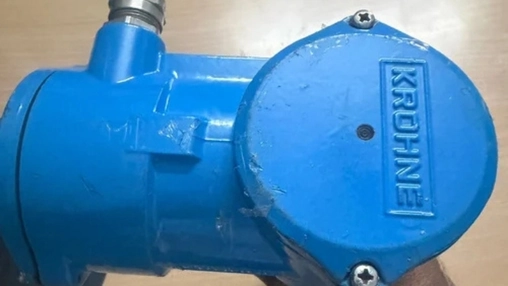
Established suppliers, among them Honeywell and KROHNE, are positioned to capture rising demand as operators commit capital to upgrades. PipeSense, a specialist entrant, targets predictive maintenance gaps that traditional vendors have long struggled to fill. Competition across these tiers is sharpening as regulatory deadlines approach.
Yet the market's direction carries consequences beyond commercial opportunity. Operators running outdated systems face rising liability exposure should those systems fail environmental audits, analysts suggested, making advanced sensing less a discretionary upgrade than a compliance imperative boards are finding harder to defer. Suppliers pairing artificial intelligence analytics with sensor hardware are widely seen as best placed to secure long-term contracts as modernization accelerates. The results could shape infrastructure safety policy for years to come.
Related News


topics on the agenda
BUILDING THE ONE: EMPOWERING PIPELINE INTEGRITY AND COMPLIANCE WITH GEOSPATIAL DATA
Day 1: WEDNESDAY, SEPTEMBER 9, 2026
09:40 - 10:05
PANEL DISCUSSION ON THE TRANSFORMATIVE ROLE OF DIGITALIZATION AND AUTOMATION IN THE PIPELINE INDUSTRY
Day 1: WEDNESDAY, SEPTEMBER 9, 2026
11:00 - 11:30
LARGE AREA GUIDED WAVE MONITORING FOR REAL-TIME PIPELINE INTEGRITY MANAGEMENT
Day 1: WEDNESDAY, SEPTEMBER 9, 2026
11:30 - 11:55
SUBSCRIBE FOR UPDATES
By submitting, you agree to receive email communications from the event organizers, including upcoming promotions and discounted tickets, news, and access to related events.