MARKET TRENDS
From Deadlines to Risk: Pipeline Rules Change Course
PHMSA proposes a risk-based pipeline repair framework, with estimated industry savings of $390 million a year
3 Sep 2026
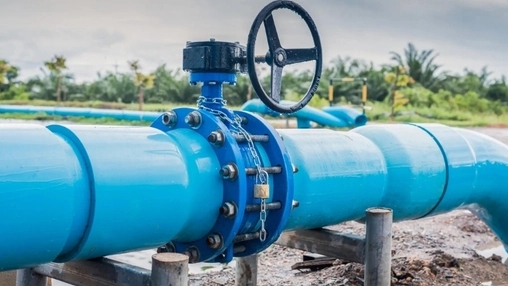
US pipeline regulators are seeking the first major overhaul of federal repair criteria in more than two decades, replacing fixed timelines with a system based more heavily on engineering assessments and pipeline condition. The Pipeline and Hazardous Materials Safety Administration estimates the changes could save the industry about $390mn a year.
PHMSA issued the rulemaking notice on July 8, covering gas transmission and hazardous liquid pipelines. Operators and other interested parties have until September 8 to submit comments.
At the centre of the changes are three repair categories: immediate, near-term and other conditions. The categories rank defects by the urgency of the response, allowing operators to distinguish the most pressing repairs from those that can be addressed later. Modern inline inspections and engineering assessments would play a greater role in making those decisions, reducing reliance on fixed deadlines.
The changes reflect advances in inspection and assessment methods since the existing requirements were developed, according to the agency. “PHMSA is modernizing our safety regulations to match this new landscape,” said PHMSA Administrator Paul Roberti. Industry groups including the American Petroleum Institute and GPA Midstream have backed the move towards engineering-based repair decisions.
For operators, the system could reduce shutdowns for work that regulators determine provides no corresponding safety benefit. Resources could instead be directed towards defects judged to present greater risks, while fewer unnecessary interruptions could limit disruption to energy transmission.
Before setting the final requirements, PHMSA must consider stakeholder responses submitted during the comment period. How much flexibility operators ultimately receive will depend on the agency's effort to balance engineering judgement with federal pipeline safety standards.
Related News


topics on the agenda
BUILDING THE ONE: EMPOWERING PIPELINE INTEGRITY AND COMPLIANCE WITH GEOSPATIAL DATA
Day 1: WEDNESDAY, SEPTEMBER 9, 2026
09:40 - 10:05
PANEL DISCUSSION ON THE TRANSFORMATIVE ROLE OF DIGITALIZATION AND AUTOMATION IN THE PIPELINE INDUSTRY
Day 1: WEDNESDAY, SEPTEMBER 9, 2026
11:00 - 11:30
LARGE AREA GUIDED WAVE MONITORING FOR REAL-TIME PIPELINE INTEGRITY MANAGEMENT
Day 1: WEDNESDAY, SEPTEMBER 9, 2026
11:30 - 11:55
SUBSCRIBE FOR UPDATES
By submitting, you agree to receive email communications from the event organizers, including upcoming promotions and discounted tickets, news, and access to related events.