INNOVATION
Chevron Sensor Tracks Wax Without Batteries
Chevron’s SHIELD sensor uses pipeline heat to estimate subsea wax buildup, with trial results closely tracking CT scans
4 Sep 2026
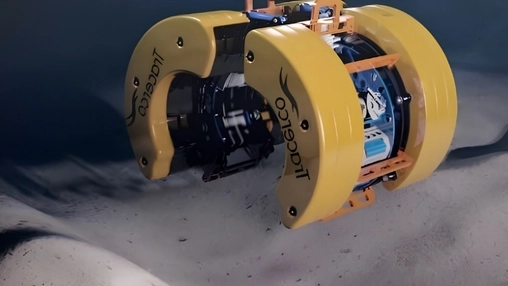
A subsea pipeline’s heat is usually something operators manage. Chevron is trying to make it useful. After about ten months of offshore testing, the oil major has completed a trial of SHIELD, a battery-free sensor that uses heat from a producing pipeline both to power itself and to detect wax accumulating inside.
SHIELD, short for Subsea Heat-Induced Energy Loop Detector, is a patent-pending clamp fitted externally by a remotely operated vehicle. As deposits build inside the pipe, they change the way heat passes through its wall. The device records those changes optically, allowing standard vehicle cameras to collect the readings. AI-based analysis then converts them into estimates of wax thickness.
On a gas-dominated deepwater production asset, wax presented a flow-assurance problem. Before installation, SHIELD’s temperature measurements were checked against a calibrated reference instrument. Later comparisons with independent CT scans produced an R-squared correlation of 0.907, while the assemblies remained in good condition after nine to ten months underwater.
For operators, the attraction is less that SHIELD replaces existing inspection methods than that it may fill the gaps between them. Chevron principal engineer Baha Tanju said the device adds a localized, repeatable monitoring layer between indirect indicators and more expensive inspection campaigns. Pressure monitoring, production surveillance, modelling, pigging and CT scanning would remain complementary tools.
Avoiding batteries, cables and pressure penetrations may also reduce the infrastructure needed to gather local measurements. That distinction matters offshore, where additional monitoring equipment can bring its own maintenance requirements and failure points.
Development is now moving to a Mark II clamp based on lessons from the trial, alongside smaller Spot sensors intended for several flowline locations. More than 42 sensors are planned for a deepwater asset by the third quarter of 2026. A wider deployment should provide a sterner test of whether the technology can become part of routine flow assurance.
Related News


topics on the agenda
BUILDING THE ONE: EMPOWERING PIPELINE INTEGRITY AND COMPLIANCE WITH GEOSPATIAL DATA
Day 1: WEDNESDAY, SEPTEMBER 9, 2026
09:40 - 10:05
PANEL DISCUSSION ON THE TRANSFORMATIVE ROLE OF DIGITALIZATION AND AUTOMATION IN THE PIPELINE INDUSTRY
Day 1: WEDNESDAY, SEPTEMBER 9, 2026
11:00 - 11:30
LARGE AREA GUIDED WAVE MONITORING FOR REAL-TIME PIPELINE INTEGRITY MANAGEMENT
Day 1: WEDNESDAY, SEPTEMBER 9, 2026
11:30 - 11:55
SUBSCRIBE FOR UPDATES
By submitting, you agree to receive email communications from the event organizers, including upcoming promotions and discounted tickets, news, and access to related events.