INSIGHTS
Smart Pigs Catch Pipeline Leaks in Real Time
PipeSense unveiled an AI inspection pig that flags fuel pipeline leaks in real time, stopping spills before they cause major damage
3 Aug 2026
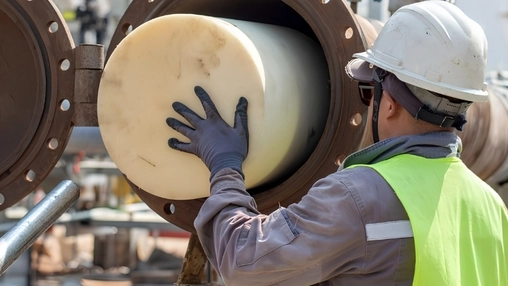
Pipeline operators have long faced a tradeoff between routine inspections and the delay involved in retrieving and analyzing inspection data. At the API Summit in Houston, PipeSense introduced an intelligent inline inspection pig designed to detect and locate pipeline leaks in real time while traveling through operating fuel pipelines. According to the company, the system transmits precise location data to remote control centers immediately after identifying abnormal pressure changes, allowing operators to respond without waiting for post-run analysis.
Built to function within the confined dimensions of active pipelines, the inspection pig relies on miniaturized onboard hardware and edge computing to process information as it moves. The system samples pressure fluctuations thousands of times per second and compares those signals against a digital library of known acoustic signatures associated with potential pipeline threats. Processing the data onboard reduces the delay traditionally associated with downloading and interpreting inspection results after a pigging operation.
False alarms remain a persistent challenge for pipeline operators, often leading to unnecessary field investigations and operational disruption. PipeSense said its two stage artificial intelligence architecture addresses that issue by filtering routine operational noise before transmitting verified alerts to remote monitoring stations. By reducing false positives, the company aims to give maintenance crews greater confidence when deciding whether immediate containment measures are required.
The technology also supports a broader shift in pipeline management. Combining real time inline inspection with permanent surface monitoring allows operators to move beyond scheduled inspections toward continuous asset oversight. That approach can help identify early signs of material fatigue and structural degradation before they develop into more serious failures, improving long term maintenance planning.
Rapid detection carries environmental and operational benefits as well. Identifying small leaks within minutes can reduce product loss, limit repair costs, and shorten the time between failure and containment, particularly in environmentally sensitive areas. As pipeline operators continue adopting automated monitoring technologies, real time diagnostic systems such as PipeSense's inline inspection platform could play an increasingly important role in strengthening the safety and resilience of critical energy infrastructure.
Related News


topics on the agenda
BUILDING THE ONE: EMPOWERING PIPELINE INTEGRITY AND COMPLIANCE WITH GEOSPATIAL DATA
Day 1: WEDNESDAY, SEPTEMBER 9, 2026
09:40 - 10:05
PANEL DISCUSSION ON THE TRANSFORMATIVE ROLE OF DIGITALIZATION AND AUTOMATION IN THE PIPELINE INDUSTRY
Day 1: WEDNESDAY, SEPTEMBER 9, 2026
11:00 - 11:30
LARGE AREA GUIDED WAVE MONITORING FOR REAL-TIME PIPELINE INTEGRITY MANAGEMENT
Day 1: WEDNESDAY, SEPTEMBER 9, 2026
11:30 - 11:55
SUBSCRIBE FOR UPDATES
By submitting, you agree to receive email communications from the event organizers, including upcoming promotions and discounted tickets, news, and access to related events.