REGULATORY
PHMSA's Biggest Pipeline Rule Shift in 20 Years
PHMSA's July 2026 proposal swaps fixed pipeline repair deadlines for risk-based standards, projecting $390M in annual savings
30 Jul 2026
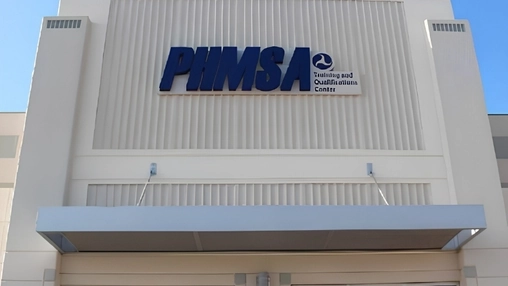
Federal regulators moved this month to rewrite the rules governing how the nation's pipelines are repaired and inspected. On July 8, 2026, the Pipeline and Hazardous Materials Safety Administration published a Notice of Proposed Rulemaking covering gas transmission and hazardous liquid pipelines, the first major revision of these standards in more than two decades.
At the center of the proposal is a shift away from rigid, prescriptive repair timelines toward a framework grounded in risk assessment and modern inspection technology. Operators have long followed schedules tied mainly to the size of a defect rather than the danger it actually posed. According to the agency, that approach produced uneven results, prompting unnecessary repairs in low-risk situations while leaving some genuine hazards inadequately addressed.
Under the new approach, engineering analysis would guide where resources go, directing attention to sections of pipeline where risk is highest rather than applying uniform rules across the network. PHMSA estimates the change would save the industry about $390 million annually, a figure drawn from the Federal Register filing and accompanying industry analysis. Regulators attribute the projected savings to fewer unnecessary excavations, better-timed integrity work, and the elimination of compliance requirements that predate current risk-assessment methods.
Inline inspection devices and advanced engineering tools, largely developed after the existing rules were written, can now identify pipeline anomalies with far greater precision. Supporters of the proposal say the regulatory framework has lagged behind these capabilities, and this rule would close that gap by formally incorporating newer inspection methods into federal requirements. Industry representatives have suggested operators serving commercial and industrial customers could also see fewer maintenance-related disruptions as a result.
The proposal now enters a public comment period, during which pipeline operators, safety advocates and other stakeholders can weigh in before a final rule is issued. Much depends on how that process unfolds. Should the rule survive scrutiny largely intact, it could establish a lasting framework for pipeline integrity management, one that shapes how regulators balance safety and efficiency for years to come.
Related News


topics on the agenda
BUILDING THE ONE: EMPOWERING PIPELINE INTEGRITY AND COMPLIANCE WITH GEOSPATIAL DATA
Day 1: WEDNESDAY, SEPTEMBER 9, 2026
09:40 - 10:05
PANEL DISCUSSION ON THE TRANSFORMATIVE ROLE OF DIGITALIZATION AND AUTOMATION IN THE PIPELINE INDUSTRY
Day 1: WEDNESDAY, SEPTEMBER 9, 2026
11:00 - 11:30
LARGE AREA GUIDED WAVE MONITORING FOR REAL-TIME PIPELINE INTEGRITY MANAGEMENT
Day 1: WEDNESDAY, SEPTEMBER 9, 2026
11:30 - 11:55
SUBSCRIBE FOR UPDATES
By submitting, you agree to receive email communications from the event organizers, including upcoming promotions and discounted tickets, news, and access to related events.