INNOVATION
Pembina, Nansen Chase 2028 Hydrogen Launch
Nansen Power and Pembina Pipeline plan to convert surplus pipeline capacity into a green hydrogen hub, targeting 2028
12 Aug 2026
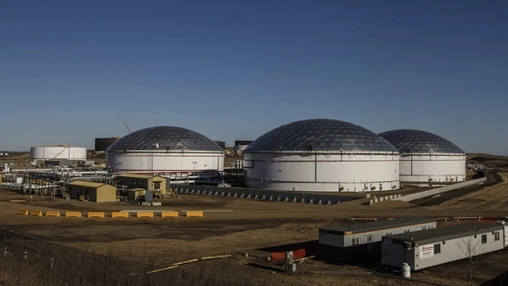
Nansen Power and Pembina Pipeline are developing a hydrogen electrolyzer hub in Alberta that would repurpose surplus pipeline capacity to produce green hydrogen for industrial buyers and export markets. Pembina executives confirmed the plans, describing them as part of a broader modernization of the province's energy infrastructure. Commercial production is targeted for 2028.
The hub would use electrolysis powered by renewable energy to generate hydrogen at industrial scale, drawing on pipeline corridors that already run through some of Canada's most energy-intensive regions. By adapting existing assets rather than building new hydrogen-specific infrastructure, the companies say they can lower capital costs significantly, an approach they argue distinguishes the project from smaller demonstration efforts.
For industrial operators in Alberta, a steady domestic hydrogen supply could support decarbonization efforts in manufacturing, refining and transportation. Export demand adds a further incentive, as buyers in Asia and Europe increasingly seek certified green hydrogen. Pembina's existing distribution network offers a logistical advantage that few newer entrants could match on a similar timeline, according to company statements. Nansen Power, for its part, brings electrolyzer expertise intended to complement Pembina's midstream infrastructure.
Not all observers view timelines in the hydrogen sector as settled. Analysts have noted that project schedules in this emerging industry often shift as financing, permitting and technology costs evolve. Still, those tracking Canadian energy infrastructure see the Pembina-Nansen collaboration as a possible template for other pipeline operators considering similar conversions.
Alberta's government has been positioning the province as a candidate for hydrogen exports, and a project of this scale could reinforce that ambition. Green hydrogen economics have been improving, and ventures built on established midstream assets are drawing increased interest from institutional investors. Should the 2028 target hold, Alberta's hydrogen sector could enter a more mature commercial phase earlier than several competing jurisdictions. The outcome may help shape how other regions approach hydrogen infrastructure investment in the years ahead.
Related News


topics on the agenda
BUILDING THE ONE: EMPOWERING PIPELINE INTEGRITY AND COMPLIANCE WITH GEOSPATIAL DATA
Day 1: WEDNESDAY, SEPTEMBER 9, 2026
09:40 - 10:05
PANEL DISCUSSION ON THE TRANSFORMATIVE ROLE OF DIGITALIZATION AND AUTOMATION IN THE PIPELINE INDUSTRY
Day 1: WEDNESDAY, SEPTEMBER 9, 2026
11:00 - 11:30
LARGE AREA GUIDED WAVE MONITORING FOR REAL-TIME PIPELINE INTEGRITY MANAGEMENT
Day 1: WEDNESDAY, SEPTEMBER 9, 2026
11:30 - 11:55
SUBSCRIBE FOR UPDATES
By submitting, you agree to receive email communications from the event organizers, including upcoming promotions and discounted tickets, news, and access to related events.