RESEARCH
New AI Catches Pipeline Leaks That Alarms Ignore
Flowstate Solutions launches machine learning leak detection for gas, CO₂, and NGL pipelines, filtering false alarms from real SCADA data
17 Jul 2026
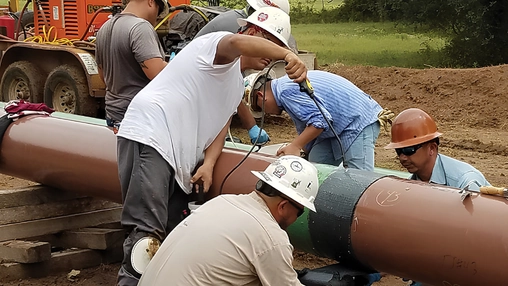
Flowstate Solutions has introduced a machine-learning platform designed to detect leaks in compressible pipeline systems, an area of pipeline safety technology that has lagged for years. The system covers natural gas, CO₂, natural gas liquids and olefin networks, processing SCADA data in real time to separate genuine leaks from the pressure and flow swings that occur during normal operation.
Rule-based detection systems have long struggled with this distinction. "Compressible pipeline systems have historically presented challenges for leak detection because routine operating conditions can resemble leak signatures," said Braden Fitz-Gerald, chief technology officer at Flowstate Solutions.
Pressure swings and flow transients routinely fool alarm systems built on fixed rules. Operators face two risks as a result: false alarms that trigger costly shutdowns, and missed detections that carry financial and environmental consequences. Machine learning addresses this by training the system on each pipeline's normal behaviour, so it can flag deviations with greater precision.
Regulatory pressure adds to the urgency. The US Pipeline and Hazardous Materials Safety Administration has prioritised advanced leak detection for high-consequence pipeline categories in its research agenda. Meanwhile, CO₂ transport networks are expanding quickly as carbon capture projects scale up across the country, pushing operators to show they can meet federal expectations.
For companies running compressible pipeline assets, the technology offers fewer unplanned outages, a stronger regulatory position and reduced liability exposure. Demand for such systems looks set to grow as the energy transition drives further investment in CO₂ and NGL infrastructure, segments where fluid dynamics remain some of the most difficult to manage in the sector. Whether the technology can scale alongside that investment, however, remains to be tested.
Related News


topics on the agenda
BUILDING THE ONE: EMPOWERING PIPELINE INTEGRITY AND COMPLIANCE WITH GEOSPATIAL DATA
Day 1: WEDNESDAY, SEPTEMBER 9, 2026
09:40 - 10:05
PANEL DISCUSSION ON THE TRANSFORMATIVE ROLE OF DIGITALIZATION AND AUTOMATION IN THE PIPELINE INDUSTRY
Day 1: WEDNESDAY, SEPTEMBER 9, 2026
11:00 - 11:30
LARGE AREA GUIDED WAVE MONITORING FOR REAL-TIME PIPELINE INTEGRITY MANAGEMENT
Day 1: WEDNESDAY, SEPTEMBER 9, 2026
11:30 - 11:55
SUBSCRIBE FOR UPDATES
By submitting, you agree to receive email communications from the event organizers, including upcoming promotions and discounted tickets, news, and access to related events.