INNOVATION
How AI Turned Methane Leaks Into a Solvable Problem
UNEP's AI tool MARS turns satellite data into verified methane cuts, matching the emissions of nearly 24 million cars removed
21 Aug 2026
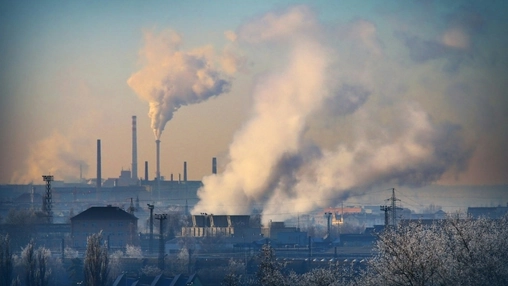
The United Nations Environment Programme has expanded an artificial intelligence system designed to detect and verify methane leaks from oil and gas facilities worldwide, according to the agency. The resulting emissions reductions, officials said, are comparable to removing nearly 24 million gasoline-powered cars from the road for a year.
Developed through the agency's International Methane Emissions Observatory, the tool is called the Methane Alert and Response System. It draws on data from more than 30 satellite instruments, filtering facility-level leaks from ordinary atmospheric variation. Methane detection technology has expanded rapidly in recent years, and the volume of raw satellite data had begun to outpace what human analysts alone could review.
Analysts using the system can now process 12 to 15 times more data than before, according to the agency, without forgoing the scientific checks that give the alerts credibility. Every flagged detection is still reviewed independently by human analysts before governments or companies are notified. That verification step, officials said, remains central to how regulators and operators treat the findings.
Sylvia Krause, a U.N. official involved in the program, described the shift in emphasis. "As new satellite missions increase the volume of methane data available worldwide, the challenge is no longer finding emissions but acting on them," she said. Her comment points to a distinction increasingly central to climate monitoring. Identifying a leak and prompting a response are separate steps, and the system was built specifically to shorten the gap between them.
UNEP has also made key datasets and code open source, a decision the agency said is intended to extend the tool's reach beyond its current users. Smaller national regulators and independent researchers, who often lack the computing resources for large-scale satellite analysis, could build on the existing framework. Energy companies, meanwhile, may face closer scrutiny alongside clearer means of demonstrating compliance.
Taken together, the program illustrates a narrower role for artificial intelligence in climate work, not replacing expert judgment but extending what a small team of analysts can review. As satellite constellations grow denser, tools like this one are likely to shape how quickly methane commitments translate into measurable results.
Related News


topics on the agenda
BUILDING THE ONE: EMPOWERING PIPELINE INTEGRITY AND COMPLIANCE WITH GEOSPATIAL DATA
Day 1: WEDNESDAY, SEPTEMBER 9, 2026
09:40 - 10:05
PANEL DISCUSSION ON THE TRANSFORMATIVE ROLE OF DIGITALIZATION AND AUTOMATION IN THE PIPELINE INDUSTRY
Day 1: WEDNESDAY, SEPTEMBER 9, 2026
11:00 - 11:30
LARGE AREA GUIDED WAVE MONITORING FOR REAL-TIME PIPELINE INTEGRITY MANAGEMENT
Day 1: WEDNESDAY, SEPTEMBER 9, 2026
11:30 - 11:55
SUBSCRIBE FOR UPDATES
By submitting, you agree to receive email communications from the event organizers, including upcoming promotions and discounted tickets, news, and access to related events.